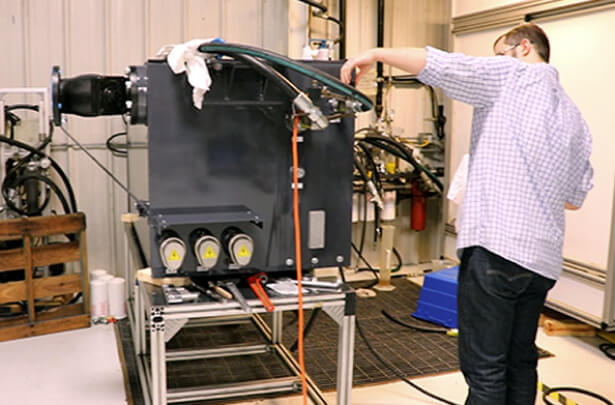
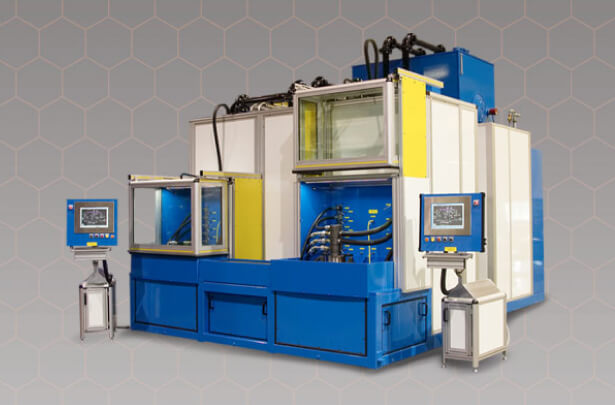
Every assembly we build undergoes thorough production testing and onsite acceptance testing to ensure it performs as expected in real-world conditions. We don’t just check connections; we fire up the whole assembly. This process helps prevent field issues, reduces startup delays, and ensures the system meets your performance, safety, and reliability requirements.
When components fail or underperform, IFP provides testing and failure analysis to pinpoint the root cause. Our technicians evaluate the issue, document performance, and determine what’s causing the issue. This helps you make informed repair or replacement decisions and reduces the risk of repeat failures in the field.
Prototype testing helps confirm that a proposed solution will perform as intended before moving into production. IFP works with your team to validate system performance, safety, and functionality, providing confidence for project approval. This step helps reduce risk and ensures the final build meets your application needs.
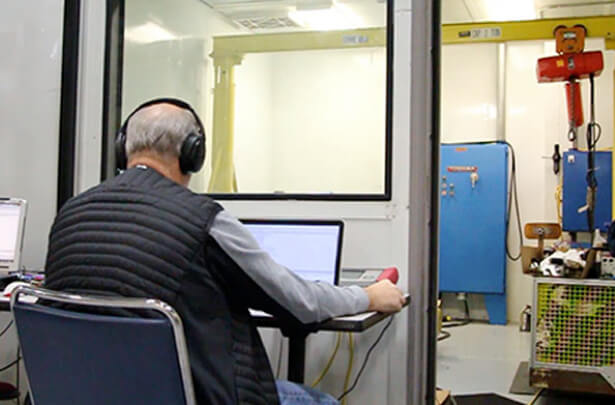
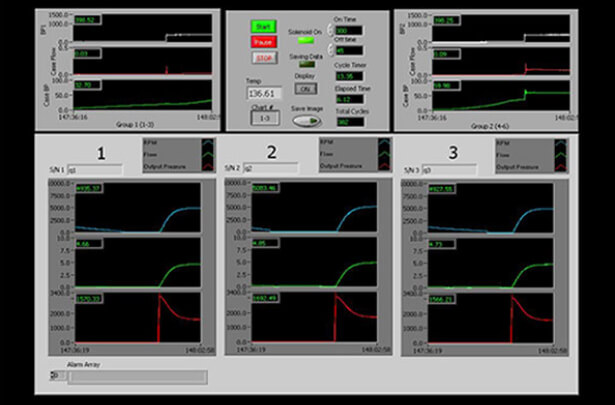
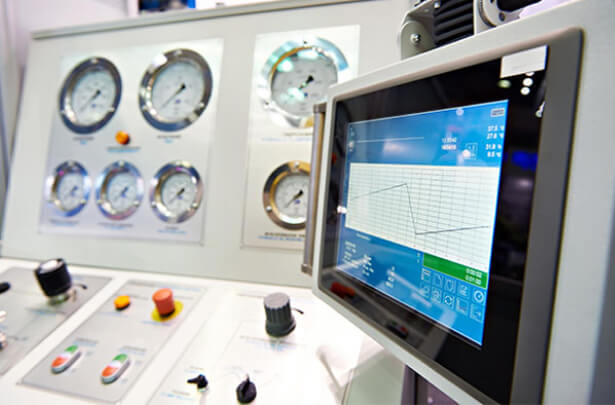
IFP provides detailed data acquisition during testing to document exactly how your component or assembly performs. We capture key measurements like flow, pressure, speed, and torque, then deliver a comprehensive report. This data helps verify performance, identify issues, and support informed decisions about repair, replacement, or system changes.

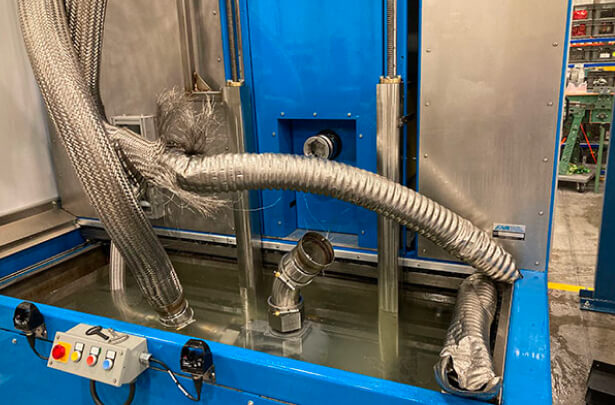
IFP’s test stands handle a wide range of hydraulic and pneumatic components. With quick connects and flexible configurations, we can efficiently test pumps, motors, cylinders, valves, and assemblies to confirm performance, troubleshoot issues, and give you clear answers without unnecessary delay.
When components operate in extreme conditions, precise testing matters. Our low-flow, high-pressure test stands handle up to 10,000 PSI. Quick connects speed up setup, making it easy to verify performance and reliability under demanding pressure without unnecessary downtime.
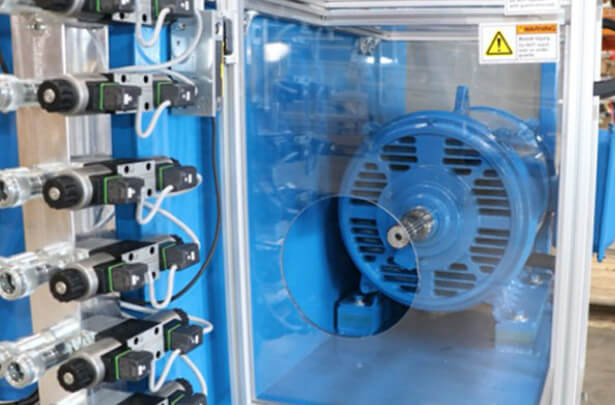
Accurately testing motor torque requires the right setup. IFP uses complex torque shaft loading equipment to evaluate motor performance under load. We measure output torque, speed, and consistency. This testing helps confirm that motors meet application requirements or identifies issues that could lead to inefficiency, underperformance, or premature failure in the field.