
Advanced Hydraulic Engineering to Deliver Higher Performance and Modernize Critical Systems
Take the First Step Toward Better Hydraulic Performance
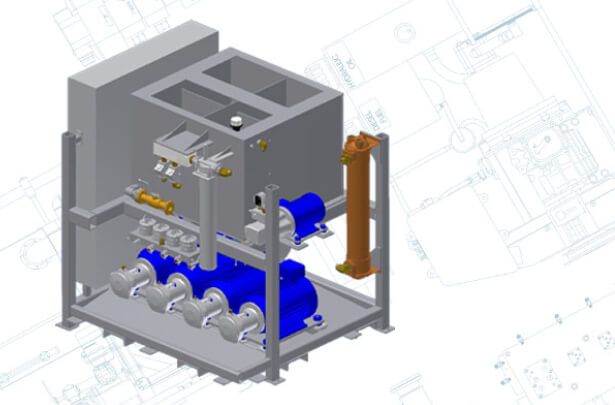
Hydraulic System Design
A well-designed hydraulic system provides superior efficiency, power, and reliability. Using detailed schematics, engineering drawings, and precise 3D models, our team develops balanced systems optimized for real-world duty cycles. The result is a solution that’s easy to operate and maintain while improving productivity and reducing downtime.
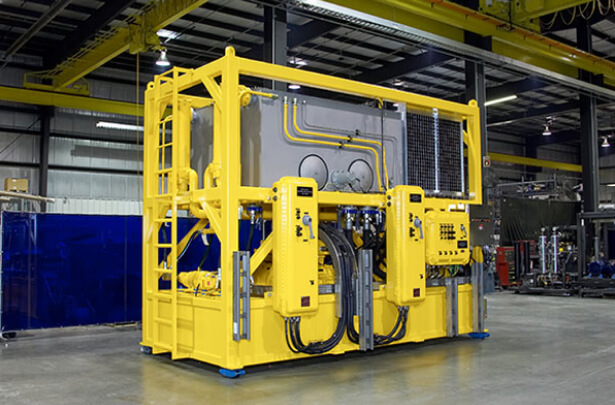
Power Units
Hydraulic power units deliver safe, consistent force across demanding operating conditions. Our custom HPUs are engineered to fit precise dimensional constraints, match your preferred power source, and integrate tailored control solutions that optimize performance, simplify installation, and support your exact application requirements.
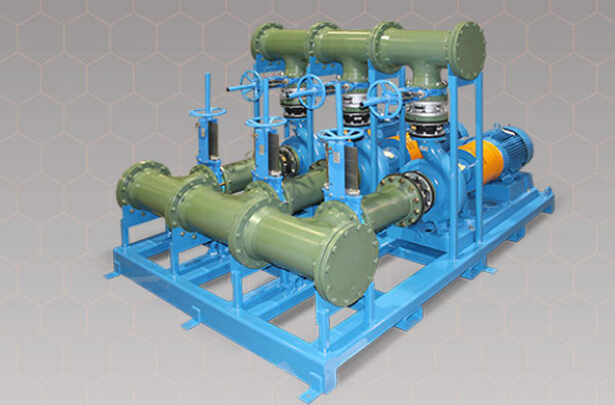
Lubrication Systems
Automatic lubrication systems keep equipment performing at its best by reducing manual errors while also freeing your team’s time. Our experts design custom solutions tailored to your exact application and operating environment. Each system integrates seamlessly with your maintenance schedule and processes, improving reliability and simplifying service.
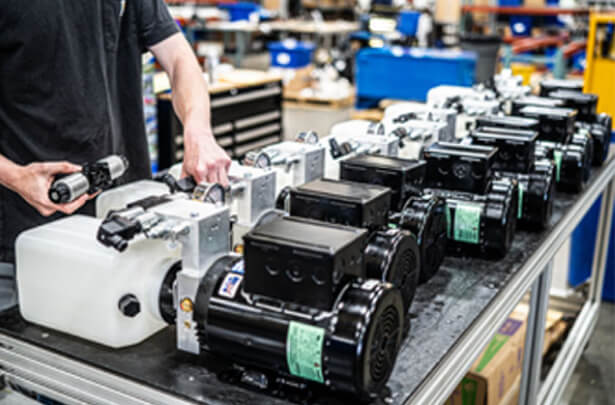
Custom Sub-Assemblies and Kitting
Receiving sub-assemblies and kits under a single part number streamlines inventory control and reduces procurement workload. Each kit is configured for your assembly workflow and includes all required components, sourced through our broad network of high-quality suppliers. The result is smoother operations, fewer sourcing steps, and consistent, high-quality parts you can rely on.
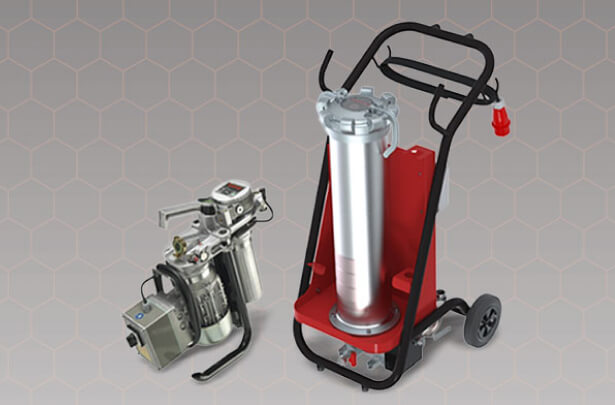
Filtration Systems
Effective filtration protects your hydraulic system by removing contaminants that cause premature wear in pumps, valves, and actuators. Our team helps you select the right filtration strategy—including media type, micron rating, and optimal placement within the circuit—to match your application. The result is higher system efficiency, reduced maintenance, and more reliable uptime.
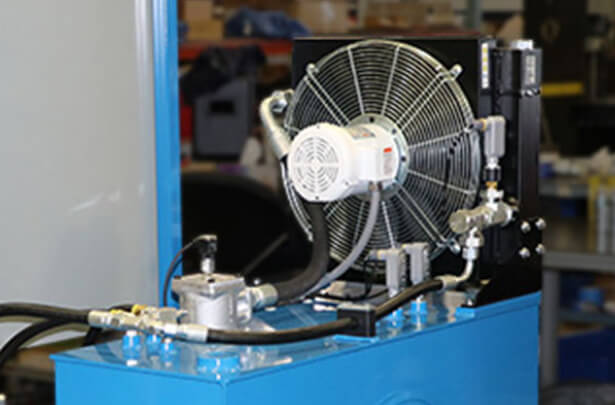
Cooling Systems
Maintaining proper operating temperature is essential for preserving hydraulic power, efficiency, and component life. Our engineers help you select the right air, water, or electric cooling solution based on your system’s heat load and operating conditions, sourced from our broad network of high-quality suppliers. The result is stable performance, longer component life, and fewer temperature-related shutdowns.
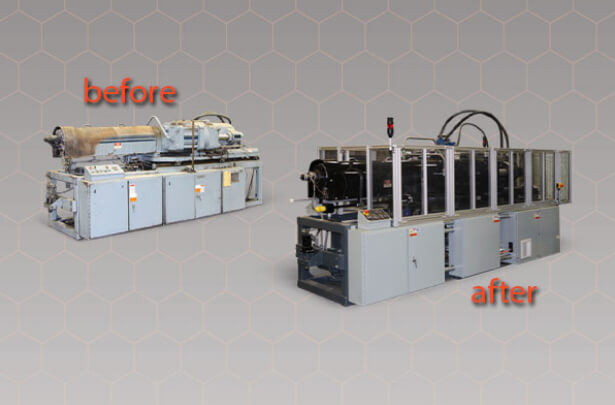
Retrofitting and Upgrades
When improved performance is needed but a full replacement isn’t practical, our engineering team can help you get more from your existing equipment. We can design retrofit solutions that enhance energy efficiency, reduce maintenance requirements, improve production consistency, and minimize disruptive downtime—all without the cost of a new system.